Hakutei Shiratori — When Writing Returns to Space
Date
Venue: Ho-an, Kita-Kamakura
Artist: Hakutei Shiratori
Exhibition / Presentation
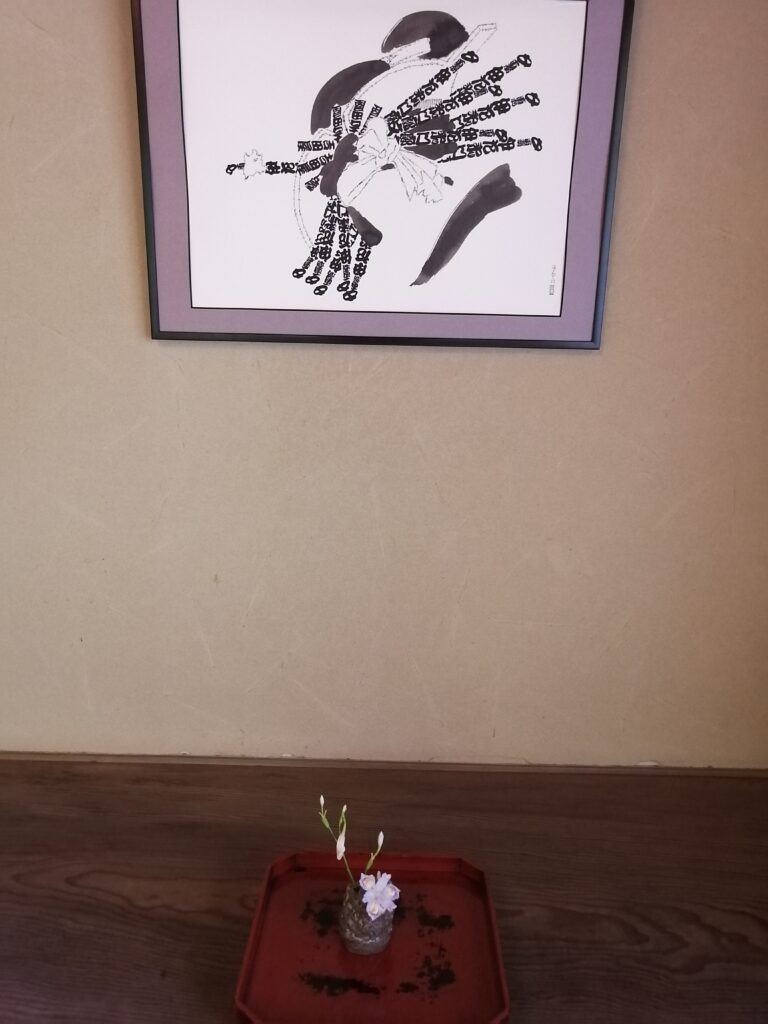
Hakutei Shiratori’s presentation in Kamakura can be understood as an attempt to reconsider Kantei-ryū, the distinctive calligraphic style developed for kabuki, not simply as a traditional form of writing, but as a visual language connecting text, space, the body, and Japanese aesthetics.
Originally used for kabuki signboards, Kantei-ryū was designed to occupy public space. Its bold, densely composed forms could be seen from a distance, announcing performances while filling the theatre with a sense of anticipation. Writing was therefore never simply a means of conveying information; it was also a spatial and performative form.
Shiratori reactivates this inherent spatial quality of Kantei-ryū within contemporary art.
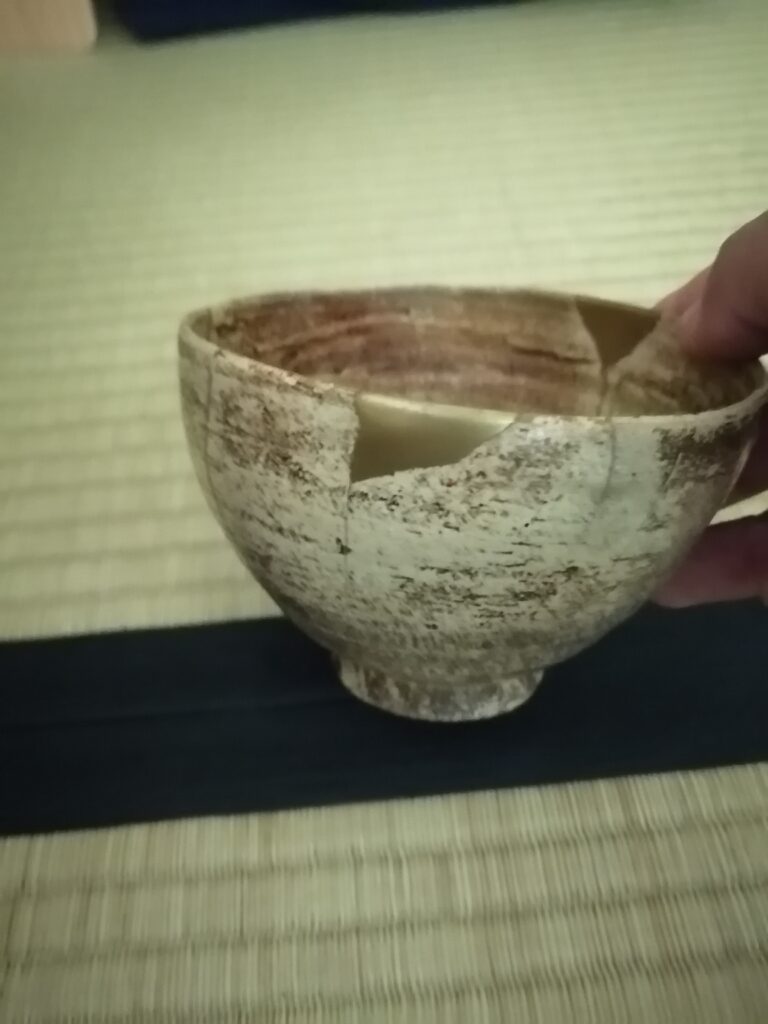
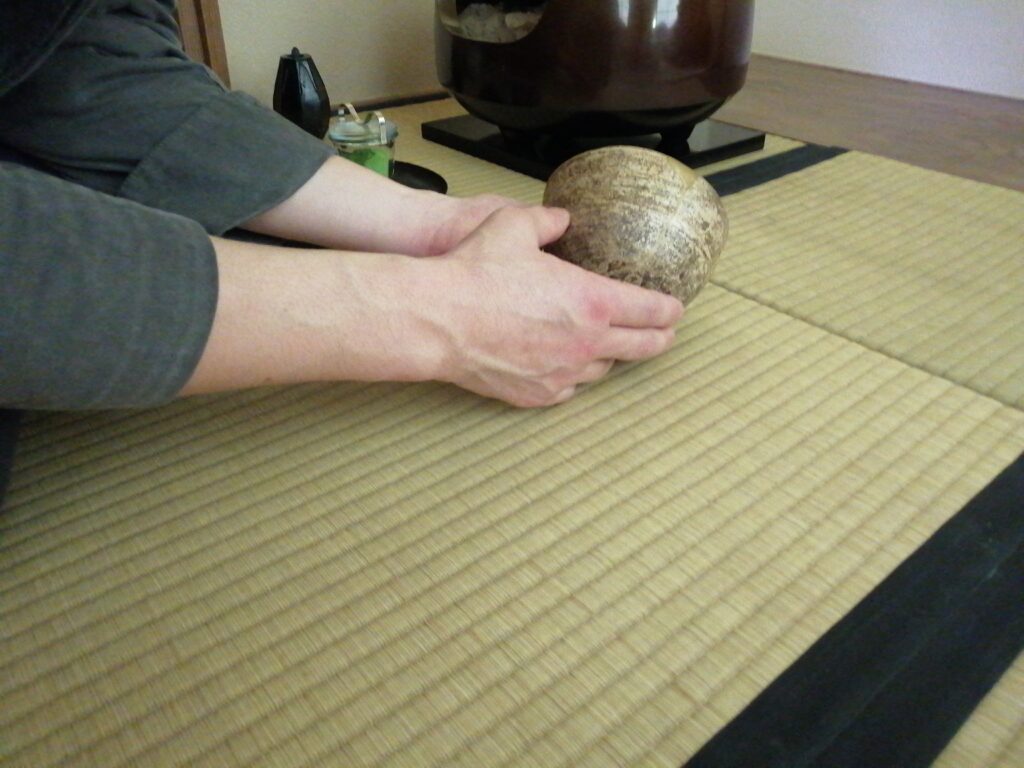
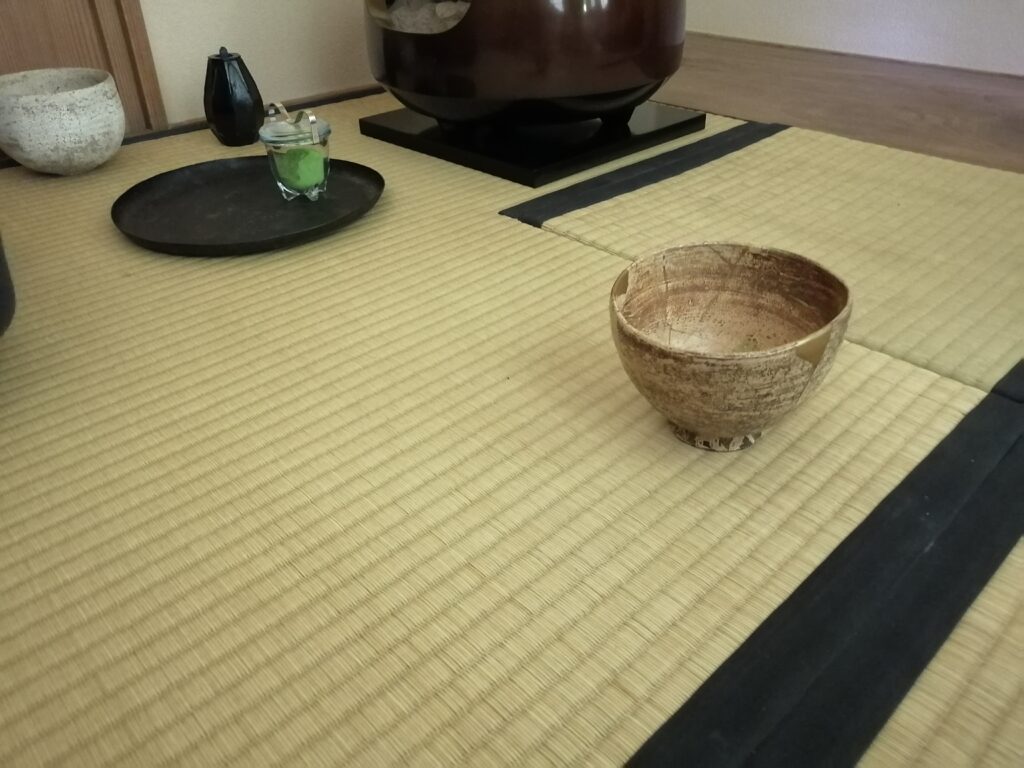
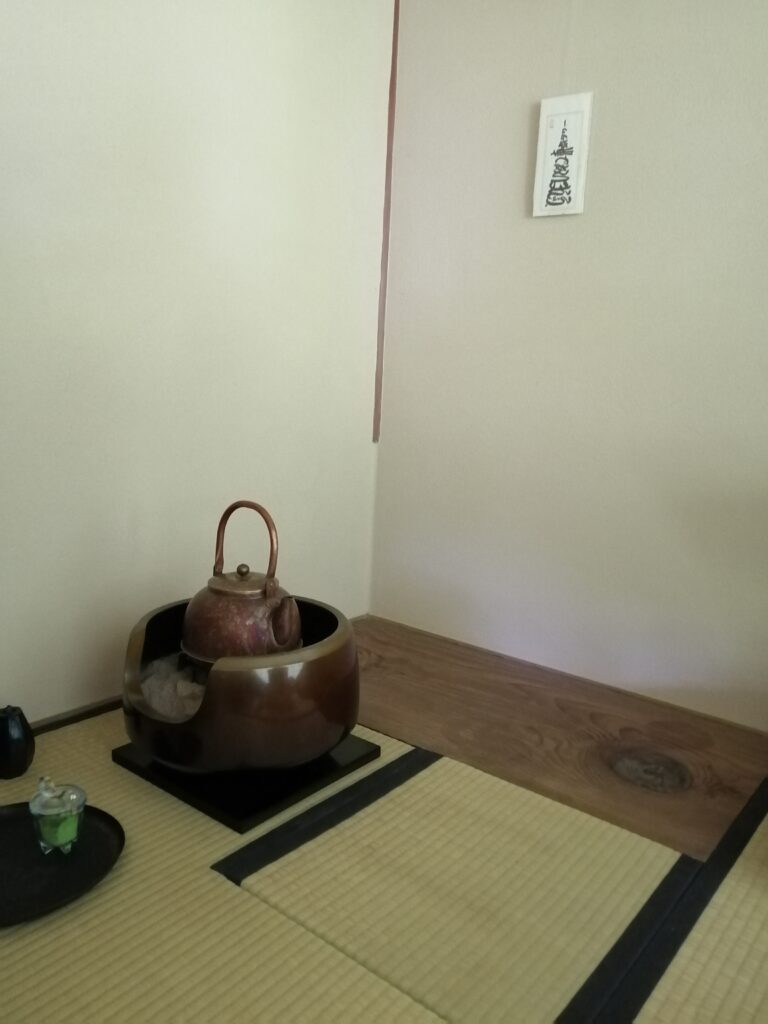
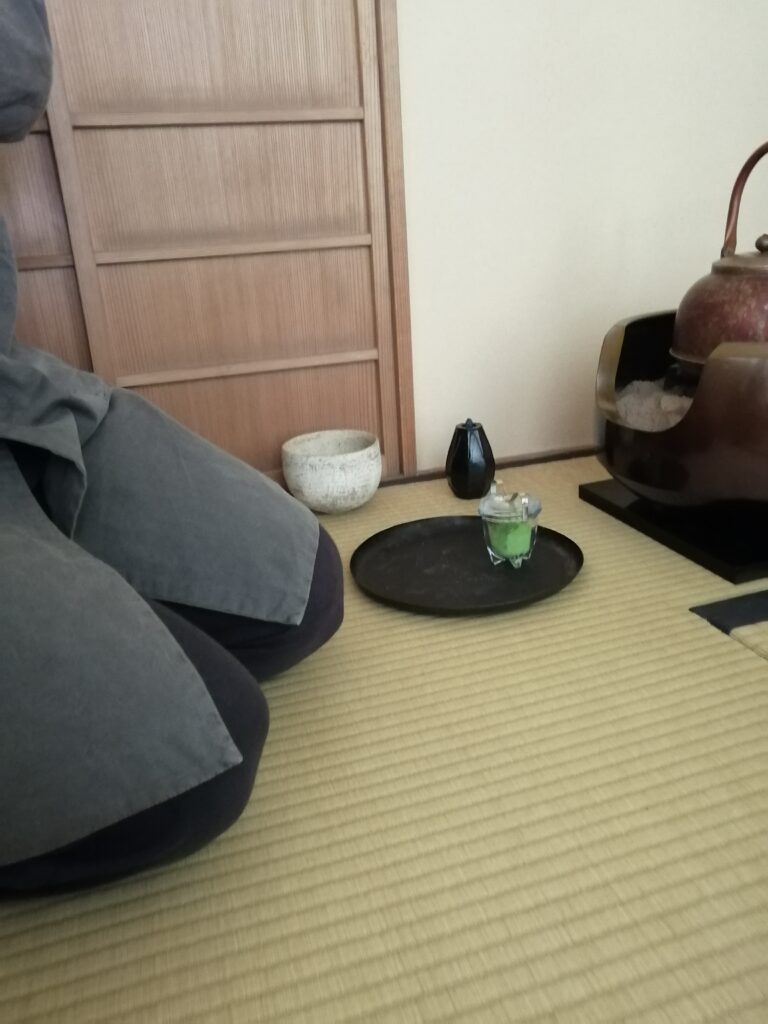
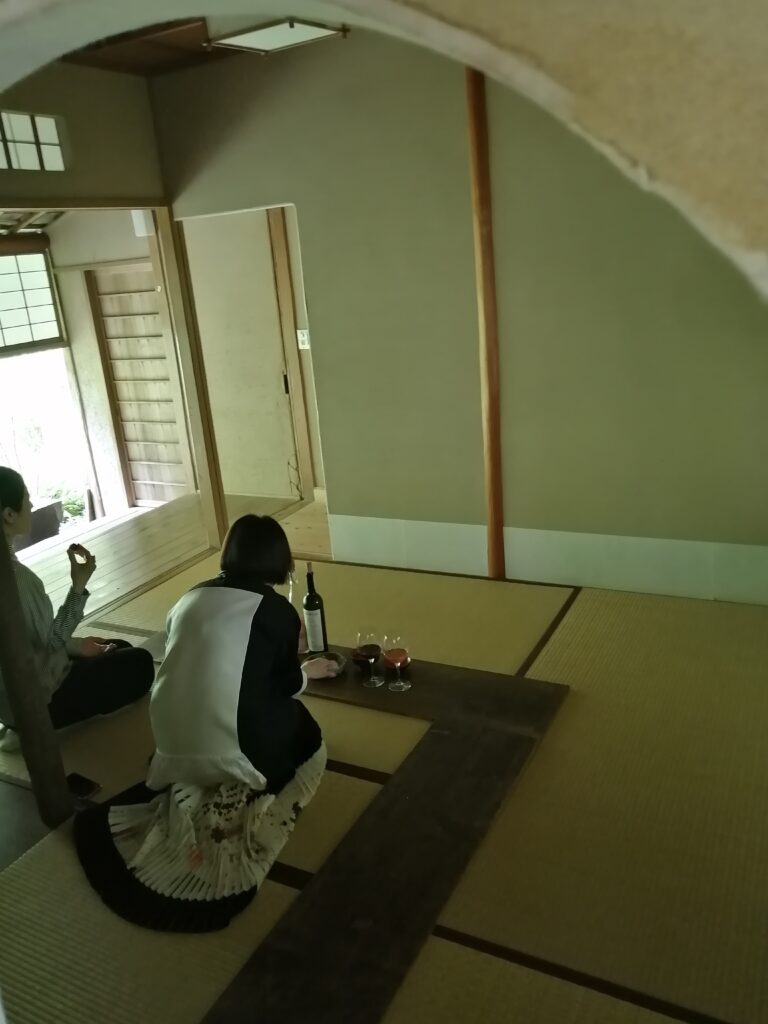
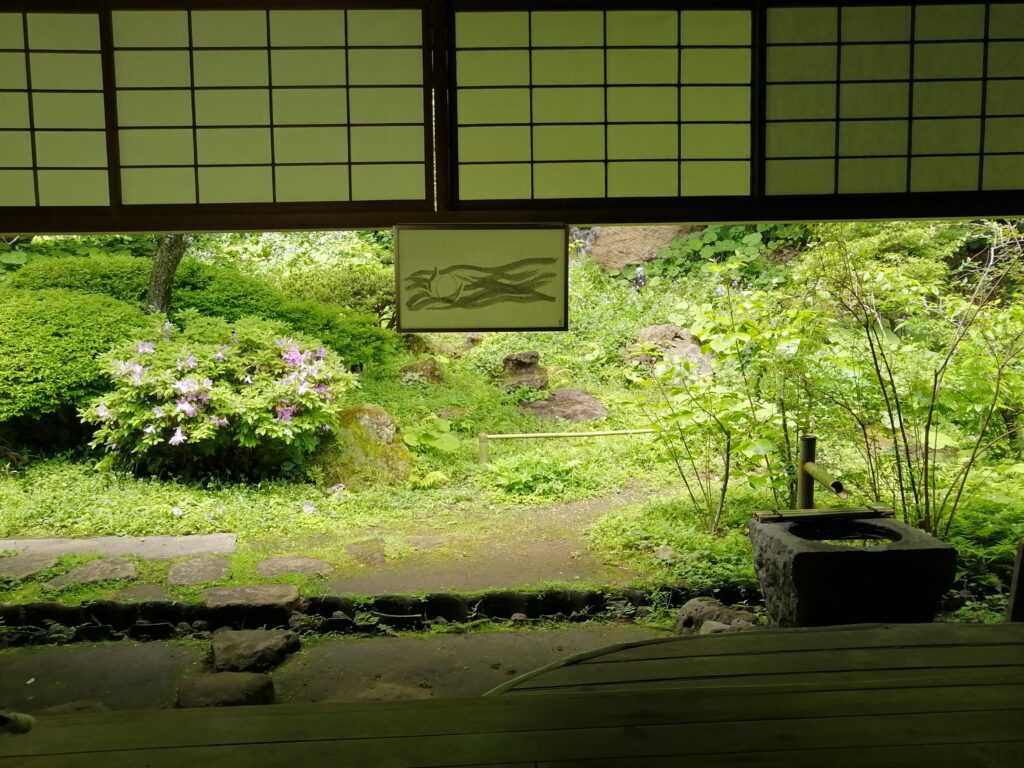
At Ho-an, a traditional tea house in Kita-Kamakura, the work enters an intimate and restrained sukiya-style architectural environment. In contrast to the monumental scale of Tokyo Tower, the tea room allows the physical qualities of the characters—their line, rhythm, density, and use of emptiness—to become more perceptible.
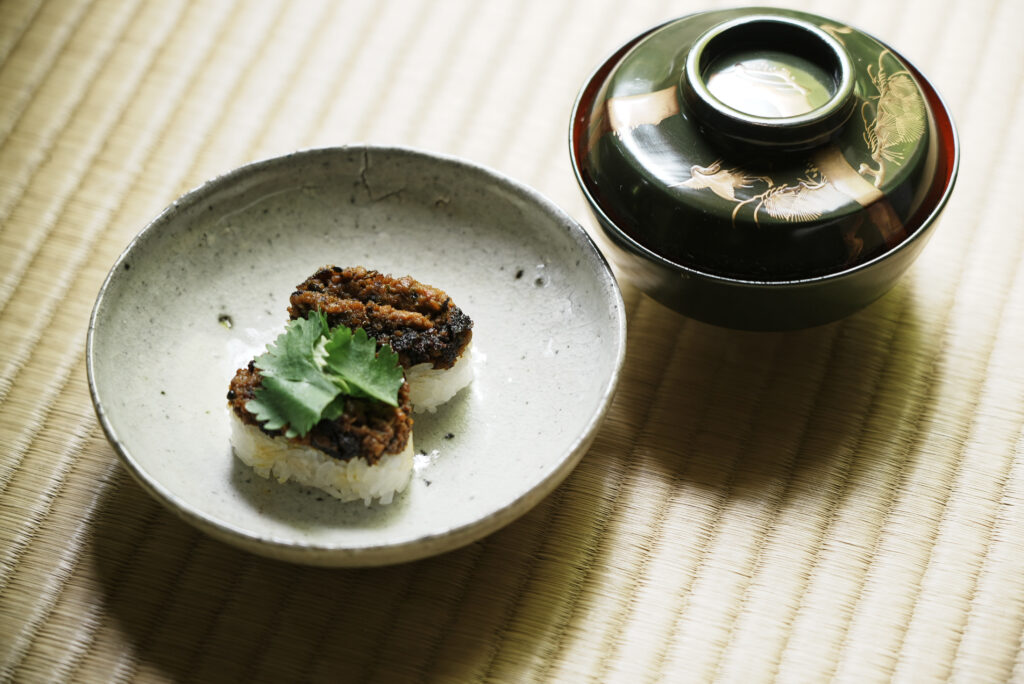
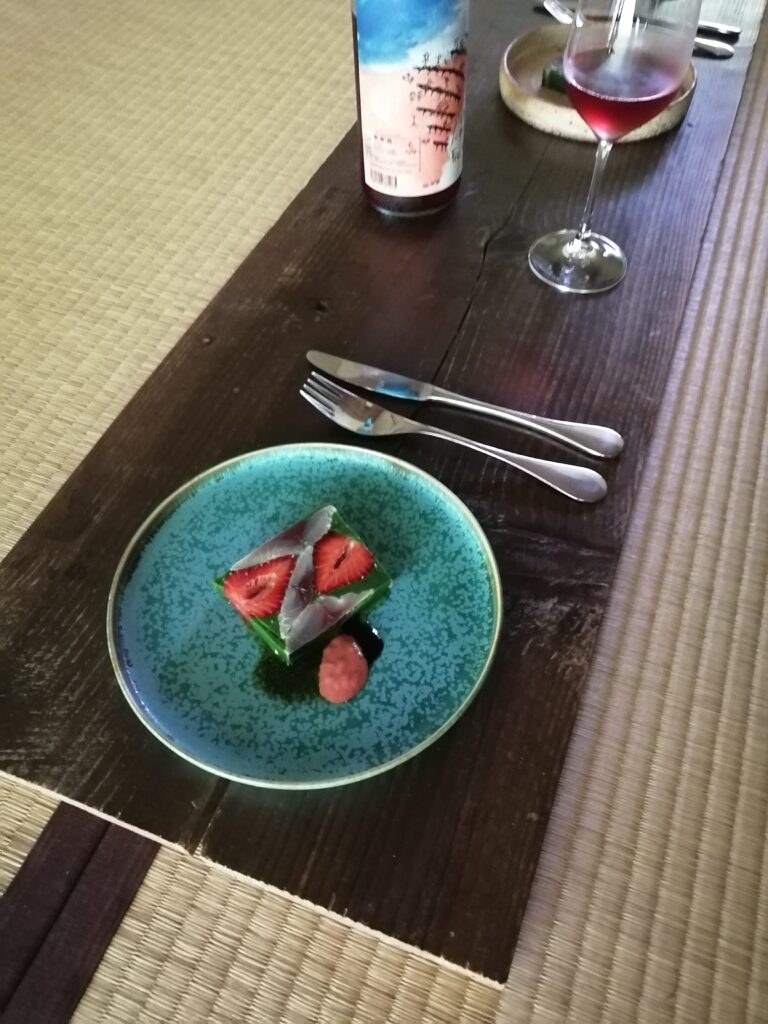
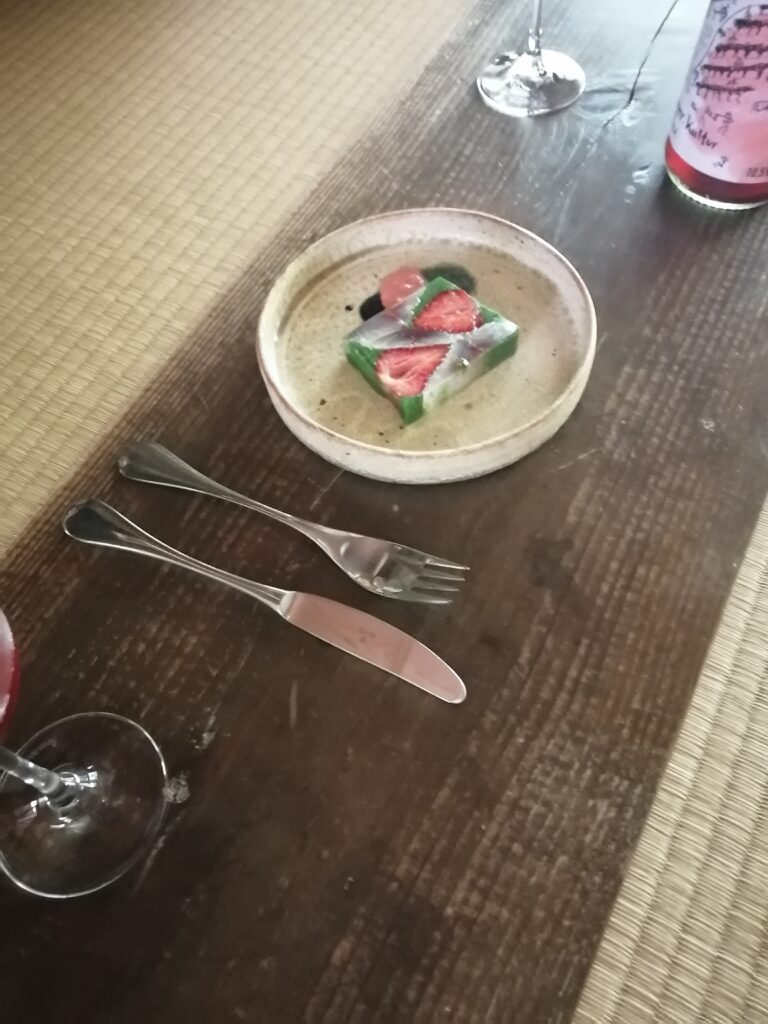
Shiratori’s practice is also informed by the aesthetic legacy of Kitaoji Rosanjin, whose approach brought ceramics, cuisine, calligraphy, and architecture into a unified field of aesthetic experience. Shiratori’s engagement with kaiseki and sukiya architecture similarly places the artwork within relationships between objects, food, space, the body, and ritual, rather than treating it as an autonomous object on a wall.
In this sense, her practice is more than a contemporary reinterpretation of Japanese tradition. It reconnects forms of Japanese culture that have become separated into distinct disciplines—calligraphy, theatre, architecture, cuisine, and craft—and brings them together as a shared embodied experience.
At Tokyo Tower, Kantei-ryū expands into a monumental public environment; in Kamakura, it contracts into the intimate scale of the tea room. Moving between these two conditions, the script becomes more than a historical form of kabuki typography. It emerges as a visual language capable of organizing space and bodily experience in the present.
The essential question when encountering Shiratori’s work is therefore not simply:
“What does this writing say?”
but rather:
“What kind of space does this writing create, and what kind of bodily experience does it invite?”
Shiratori’s Kamakura presentation quietly suggests that writing, even before becoming language, can already become architecture, body, memory, and space.