Light in Photography, Photography as Light
A Critical Review of Light Boxes Group Exhibition
2019 / zakura, Shibuya, Tokyo
Group Exhibition / 8 artists
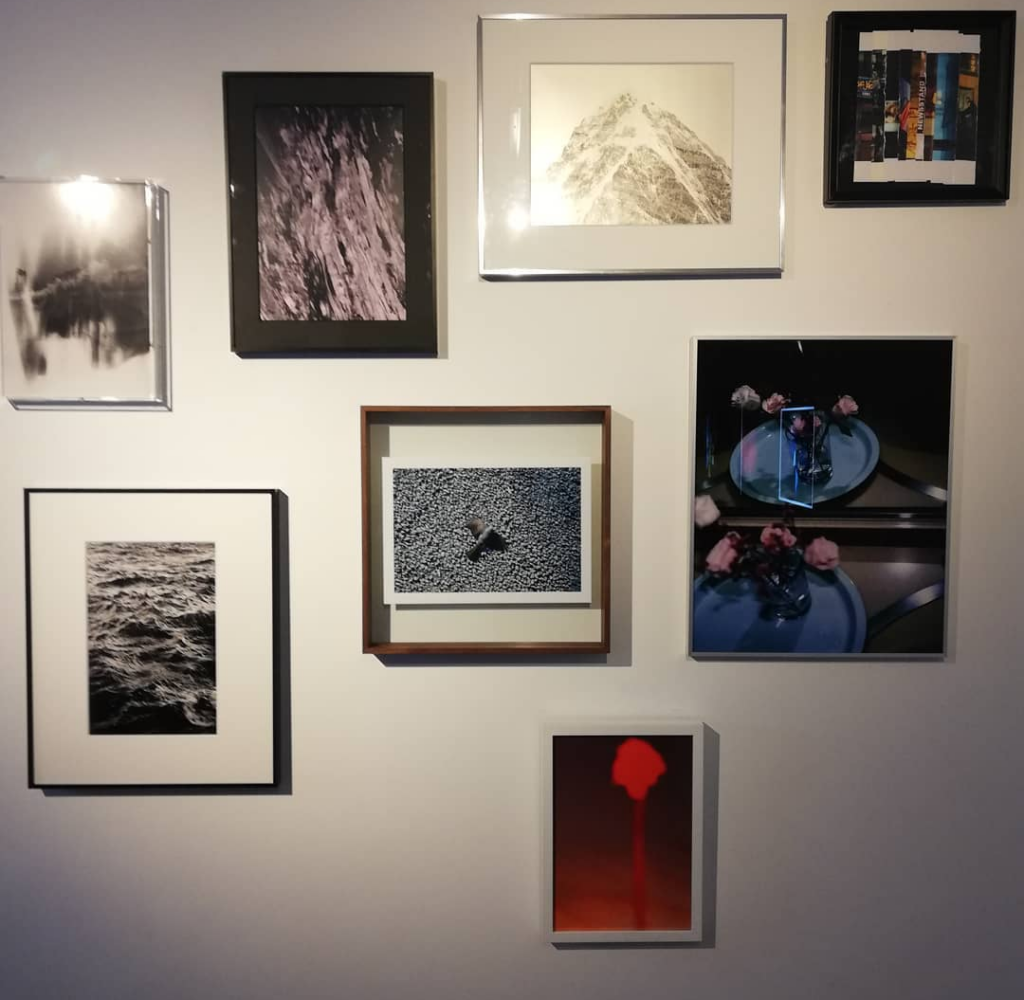
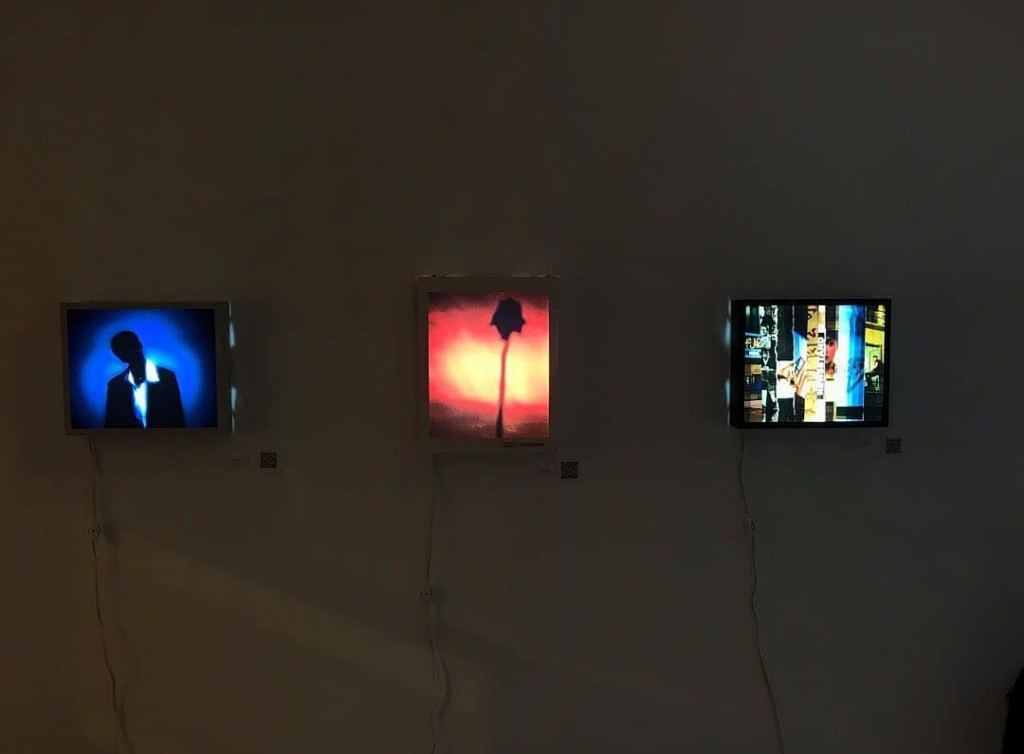
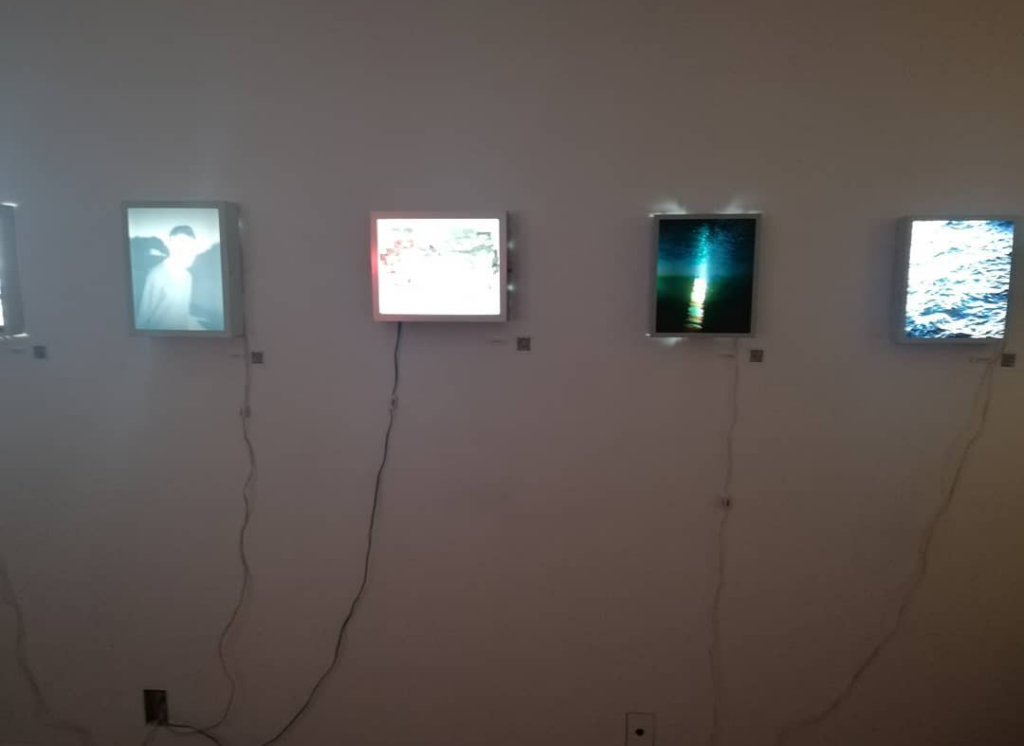
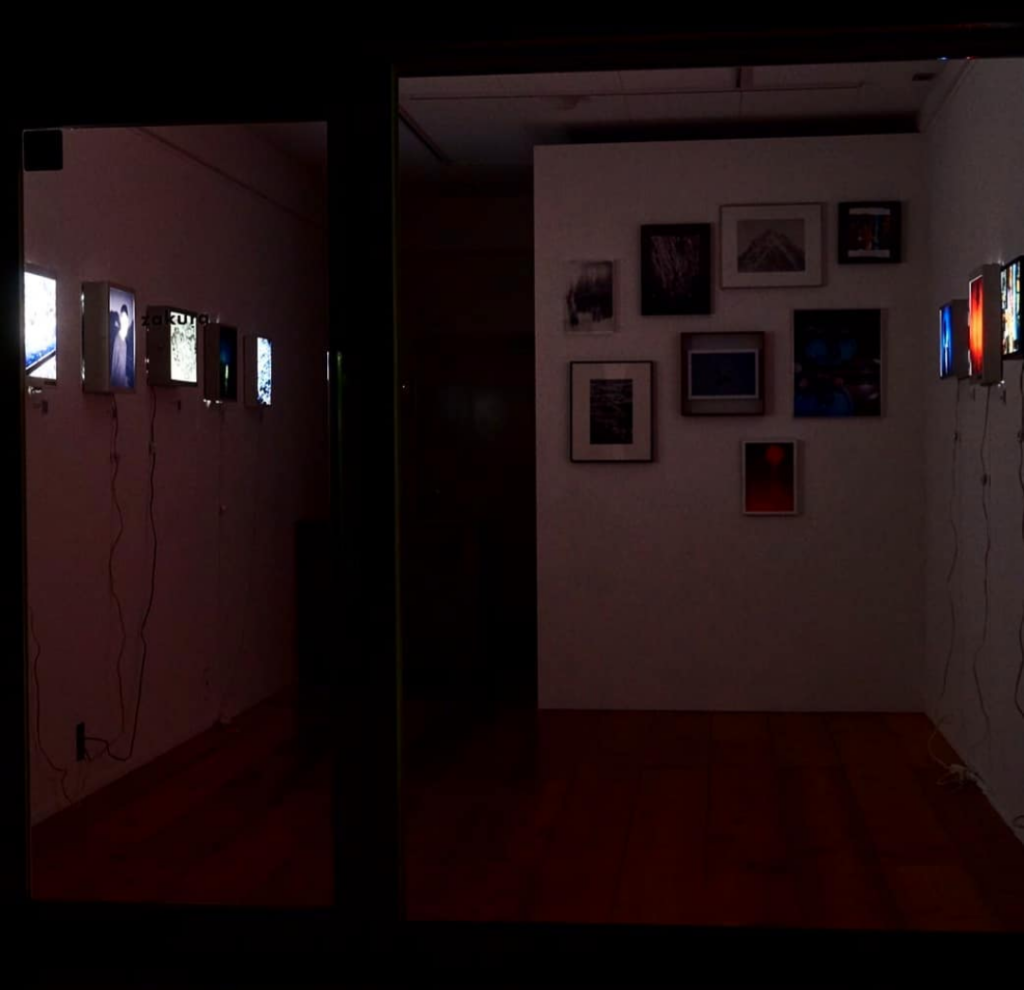
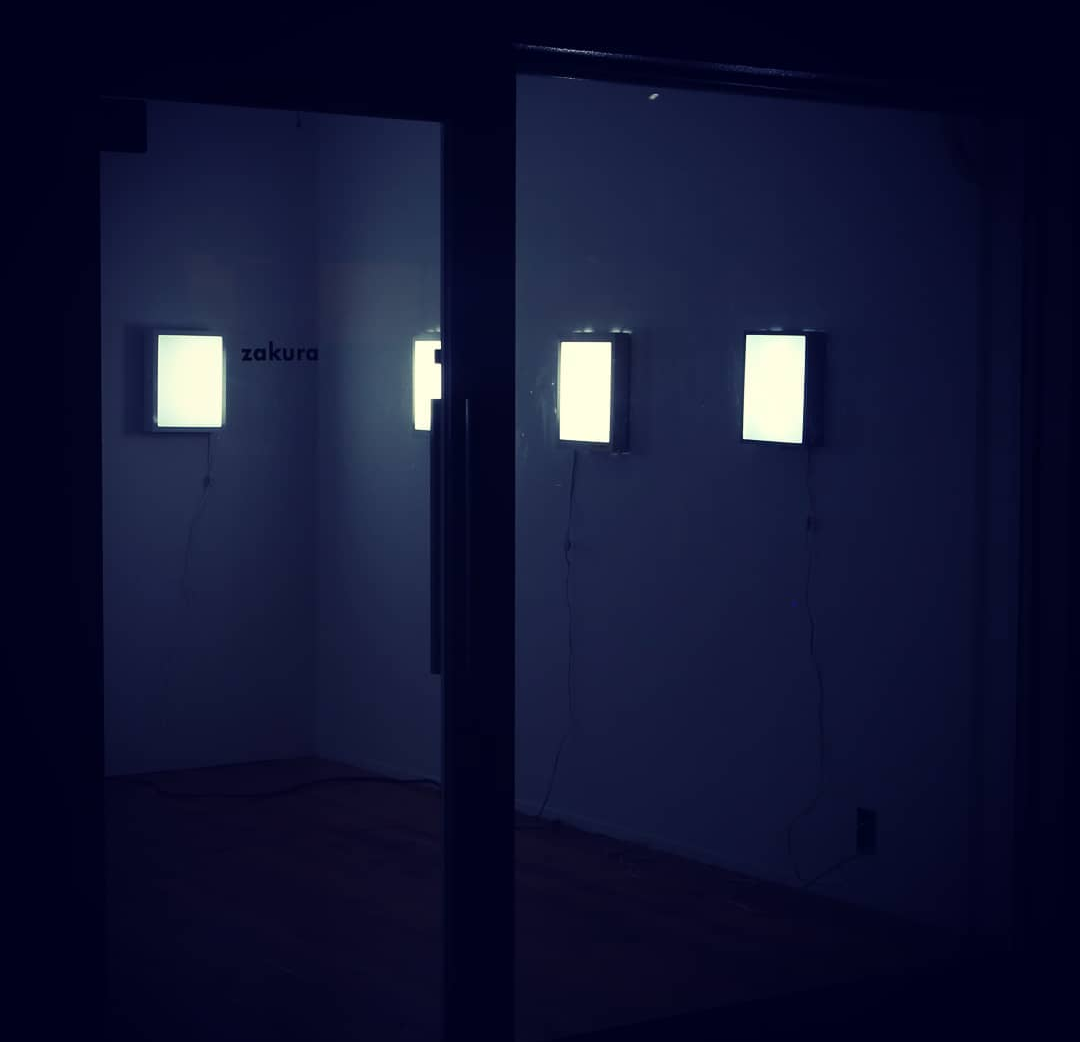
held at zakura in Shibuya in 2019, Light Boxes Group Exhibition brought together eight photographers—Syuya Aoki, Eisuke Asaoka, Lui Araki, Kota Shoji, TAIGA, Sohei Nishino, Katsuo Hanzawa, and VIEN TRAN—to reconsider photography not simply as an image, but as a material and spatial phenomenon.
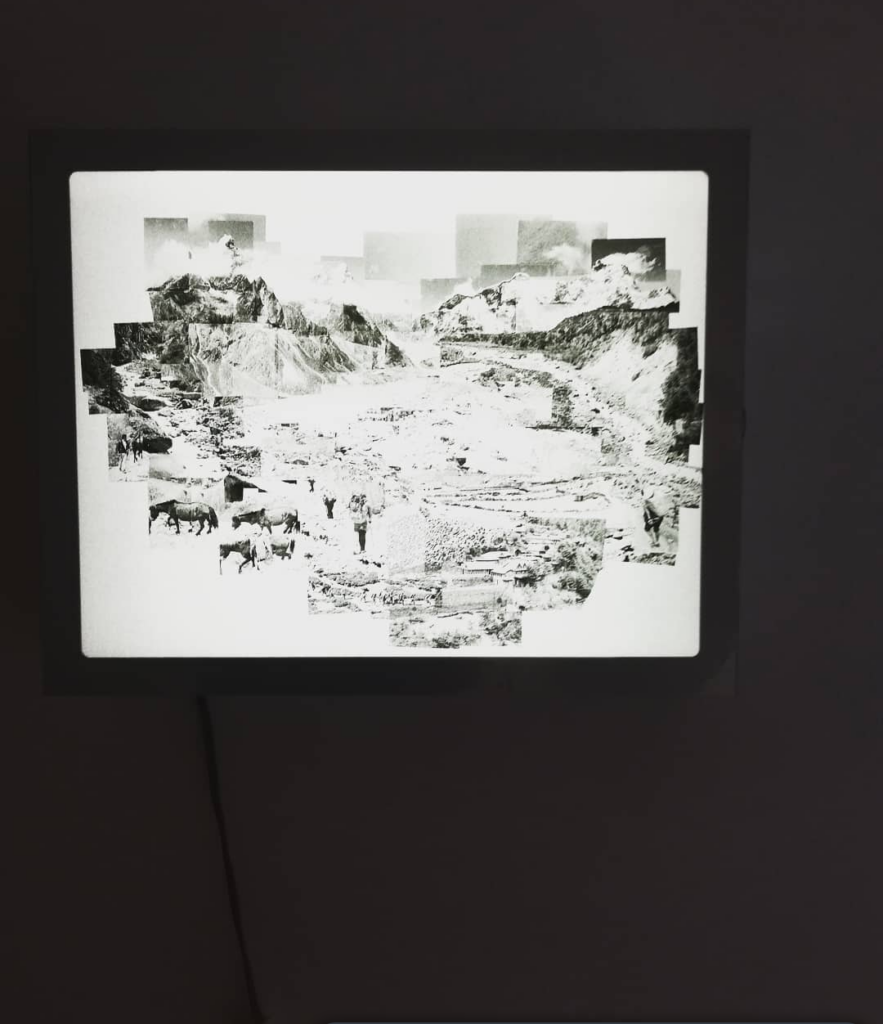
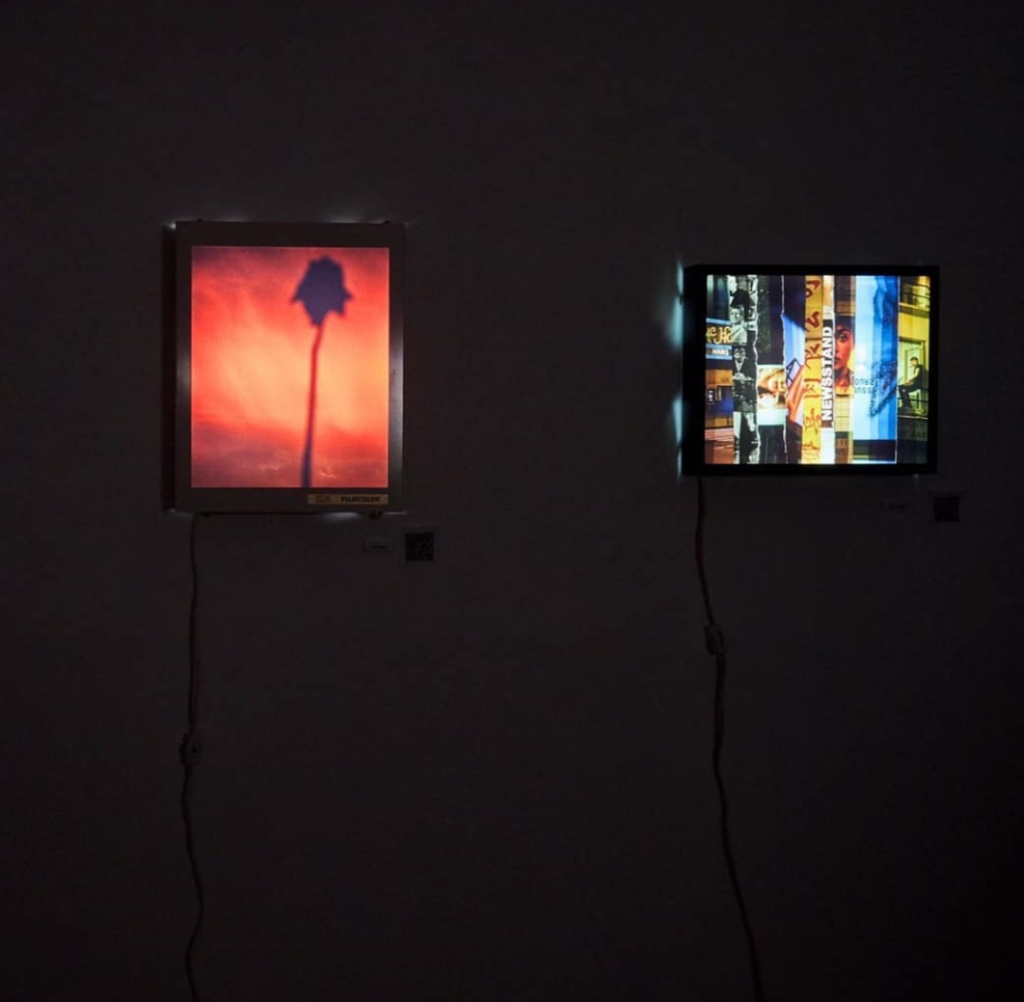
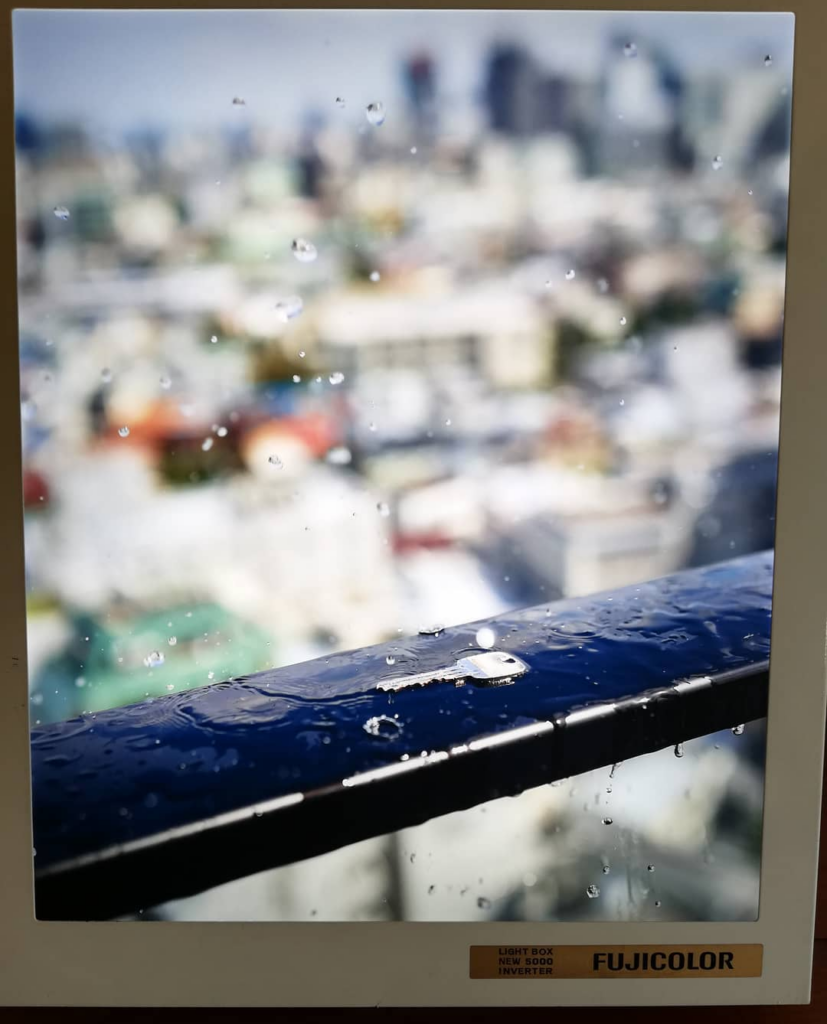
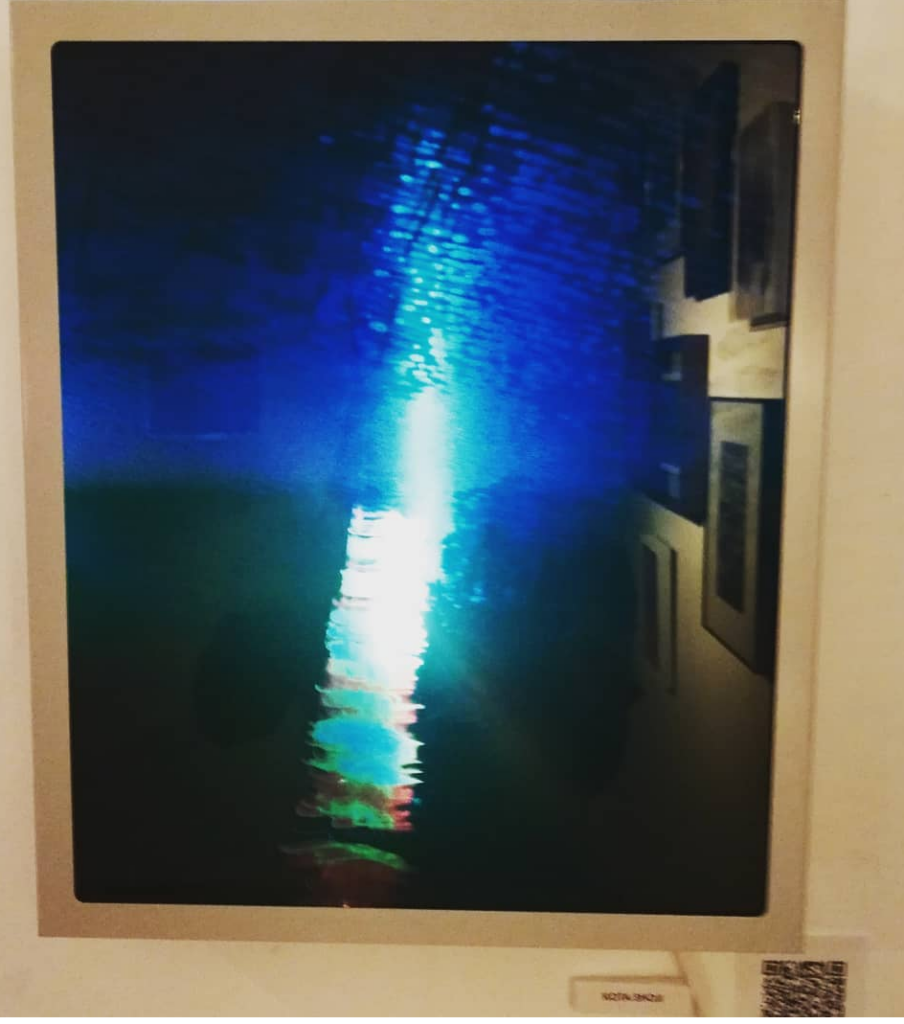
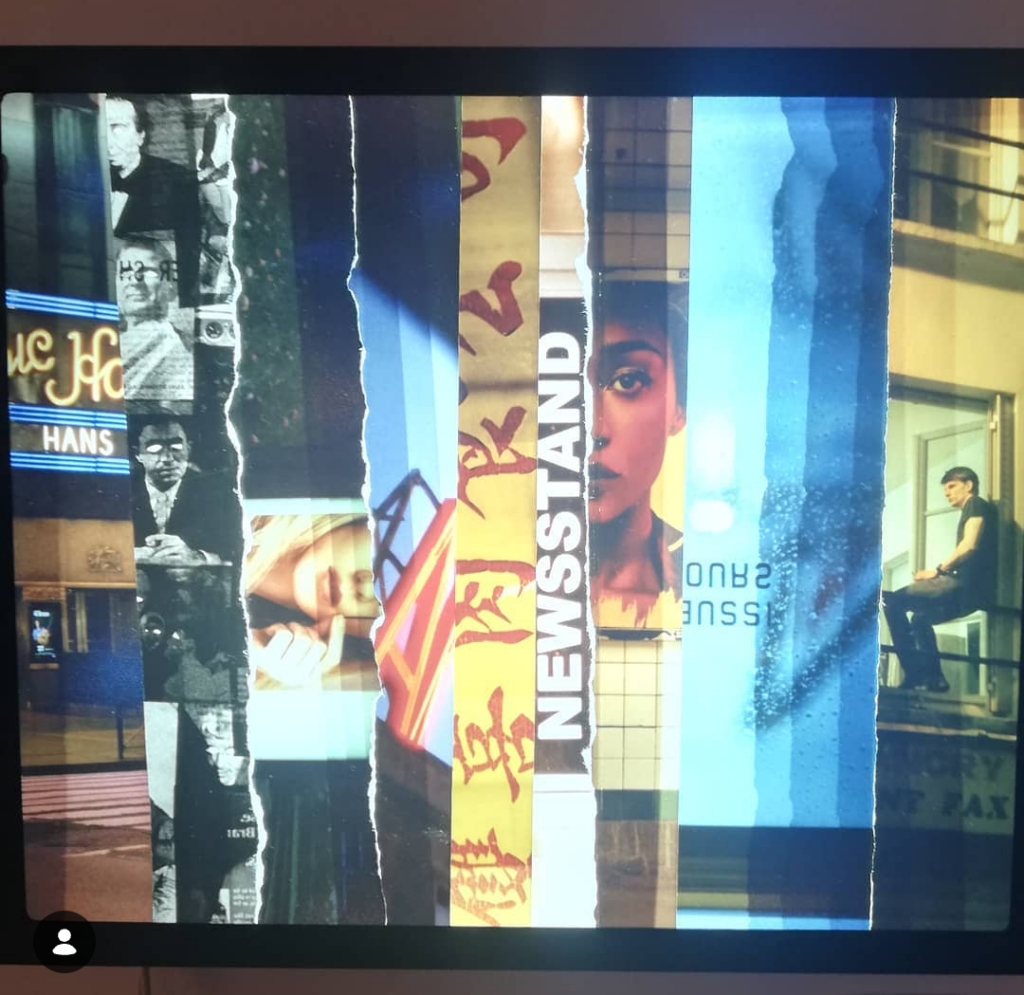
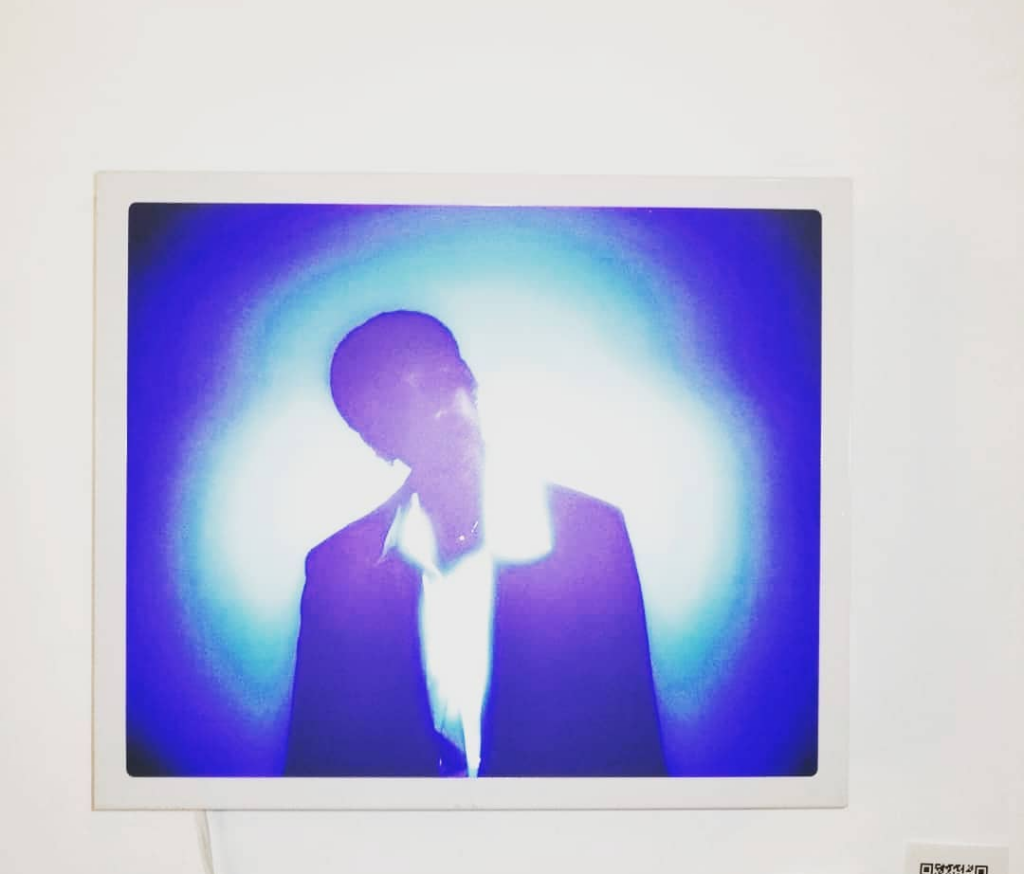
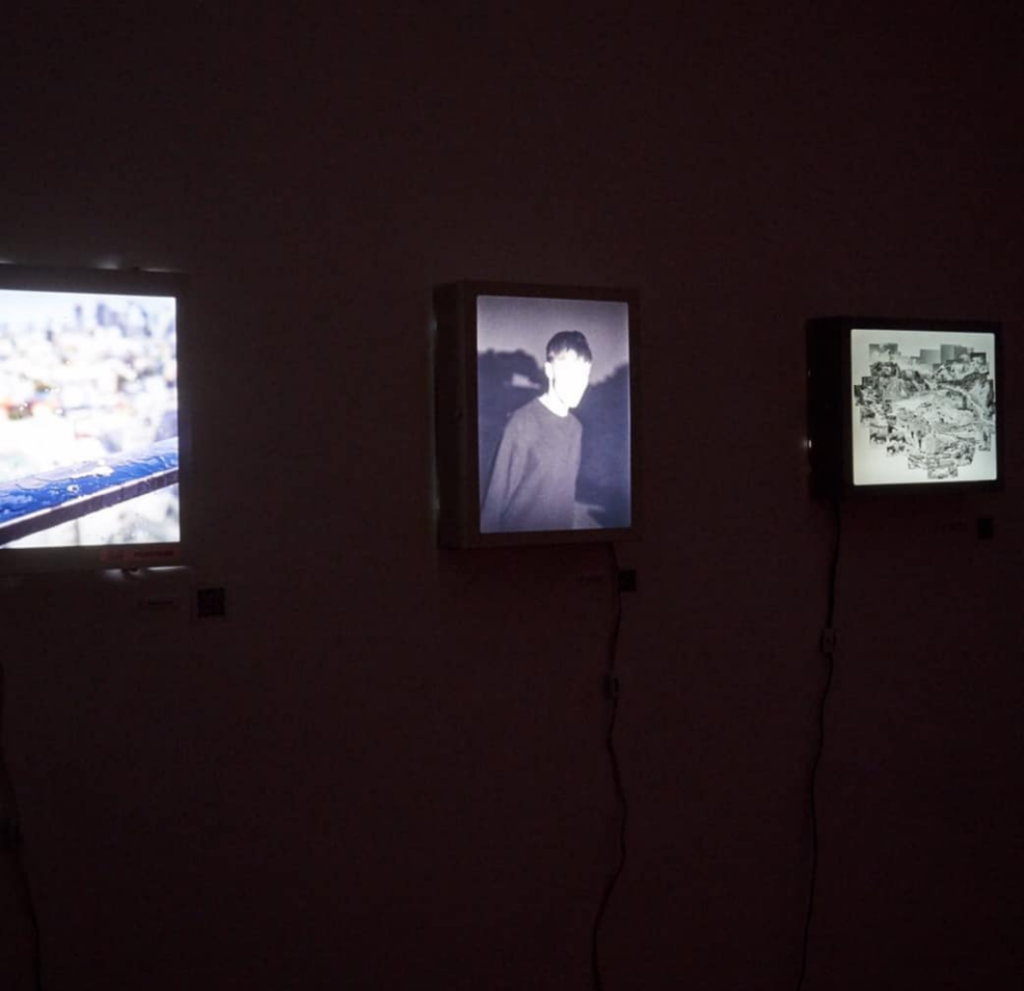
At the center of the exhibition was the light box, traditionally used to inspect photographic negatives. Unlike conventional prints, which reveal images by reflecting external light, the light box illuminates the photographic material from behind, allowing the image itself to appear luminous. In this way, the exhibition reverses one of the fundamental conditions of photographic viewing.
Photography is, in its most basic sense, a medium of light. The Greek roots of the word—phos (light) and graphein (to write or draw)—already suggest this relationship. Yet throughout much of photographic history, viewers have primarily encountered photography as a finished image fixed onto paper, while the process through which light becomes an image has remained largely invisible.
The light box changes this relationship.
Rather than reflecting light from the surface of a print, it illuminates the photographic material itself. Photography shifts from a passive surface receiving light to a visual object that appears to emit it.
This reversal connects the exhibition to a broader history of artists questioning the relationship between photography and light, from László Moholy-Nagy’s experiments with photograms and the construction of light to Jeff Wall’s large-scale light-box photographs from the late 1970s onward. Yet Light Boxes Group Exhibition directs this question toward something more fundamental: the material through which photography itself is constituted.
The negative is particularly important in this regard.
Traditionally, the negative has been understood as an original from which a positive image is produced—a transitional stage within the photographic process rather than the final photographic object. By illuminating and exhibiting the film itself, the exhibition transforms this supposedly intermediate material into an autonomous visual object.
This shift can also be understood through Roland Barthes’s conception of photography as an index of what “has been.” A photograph is not simply an image resembling its subject; it is also the physical trace produced when light encounters that subject. The illuminated negative makes this trace unusually direct.
Rather than presenting only the completed image, the viewer encounters the material record through which that image came into existence. What is normally hidden behind the photograph becomes part of the act of looking.
This becomes particularly significant when considered against the rapidly expanding digital image culture of the late 2010s. With platforms such as Instagram, photography increasingly became an instantaneous, screen-based experience. Images were produced, shared, consumed, and replaced within an endless flow.
At first glance, the light box shares something with the luminous digital screen. Yet their temporality is fundamentally different.
While digital images exist within a continuous stream of information, illuminated film remains materially present. Its light does not simply display information; it reveals the physical structure of photography itself.
The viewer is therefore encouraged to consider not only what an image depicts, but how that image physically exists—as film, as light, and as an object occupying space.
Light Boxes Group Exhibition should therefore not be understood simply as an analogue-versus-digital opposition or as a nostalgic return to analogue photography. Its significance lies in making visible the material conditions of photographic vision at a moment when they were increasingly concealed by screens and digital circulation.
The light box brings together elements that are normally separated: negative and positive, image and object, light and photographic material, documentation and display. What initially appears to be merely a display device thus becomes part of the photographic work itself.
Seen from the present, photography exists simultaneously as print, film, projection, digital file, and luminous screen image. Within this condition, the exhibition can be understood as an attempt to reconsider photography not as a finished image, but as an encounter between light, material, and vision.
Ultimately, the exhibition posed a question that precedes representation itself:
How does a photograph become visible?
Its answer lies not only in the image, but in the light that brings the image into presence.
Light Boxes Group Exhibition thus reconsidered photography as a material event occurring between light, photographic substance, and the act of looking.
Interview
An interview with the artists and organizers, conducted in Japanese and English in conjunction with the exhibition
Light Boxes — Exhibition Archive
Official Instagram archive documenting the exhibition and participating photographers.
https://www.instagram.com/lightboxes1/?hl=ja