Izumi Shirahama — Memory of Words
2018 / A gallery in Aoyama, Tokyo
Izumi Shirahama’s Memory of Words was an early exploration of language as a sensory and embodied medium. Rather than presenting poetry primarily as text to be read, the exhibition transformed words into voice, sound, and spatial experience, asking how language might be encountered through the body rather than through vision alone.
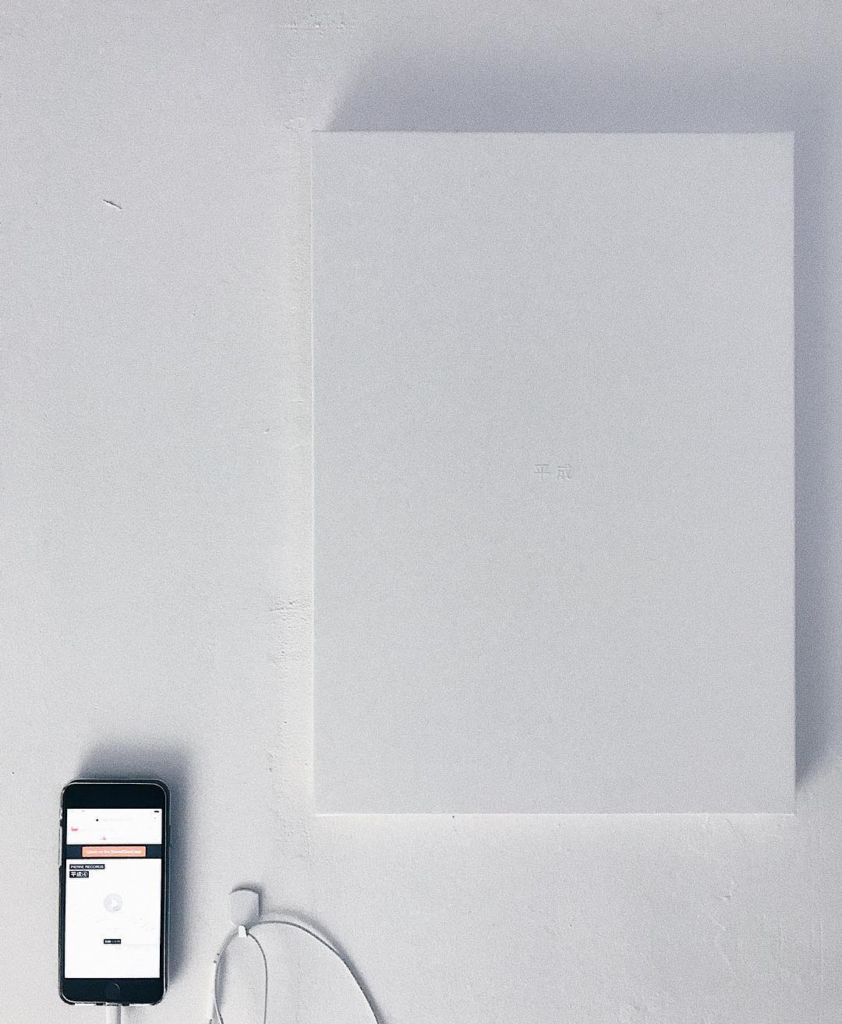
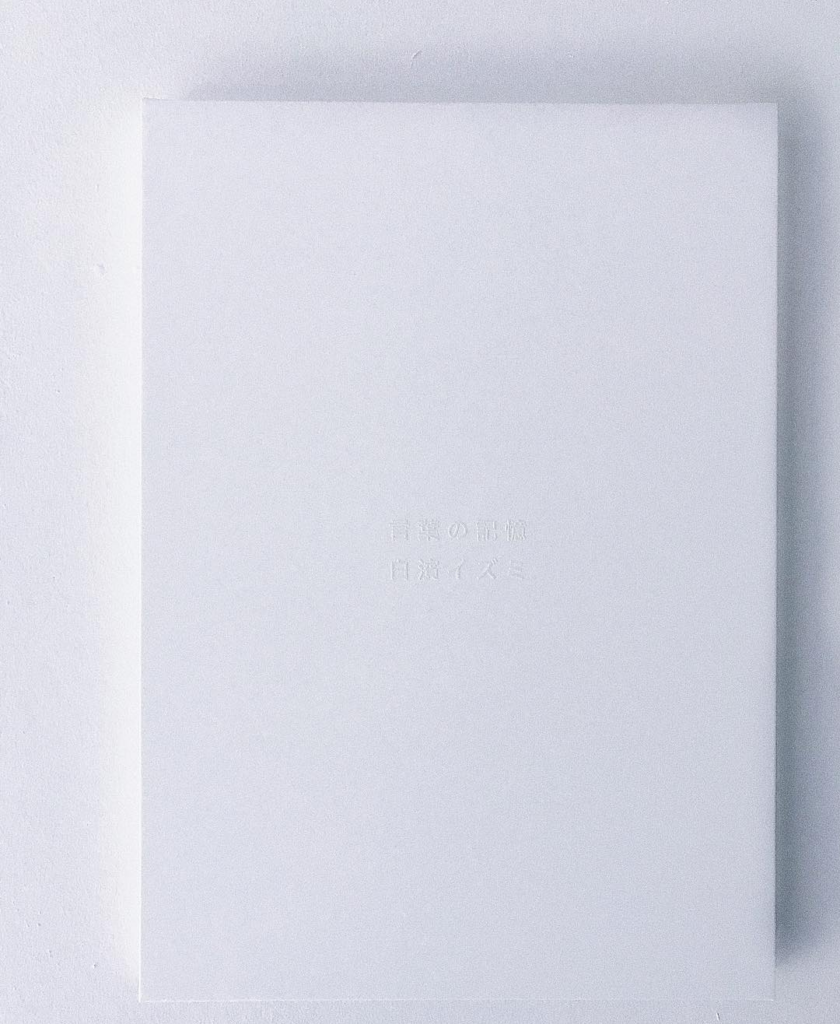
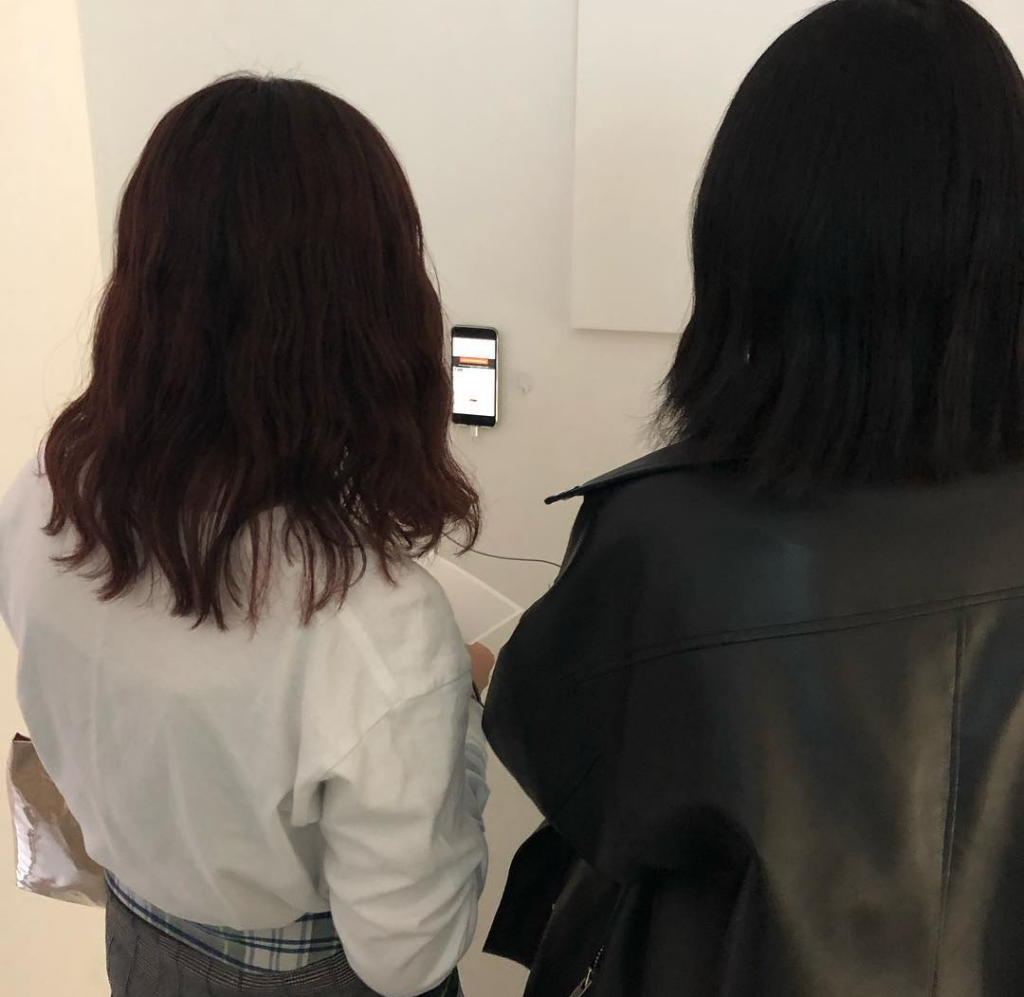
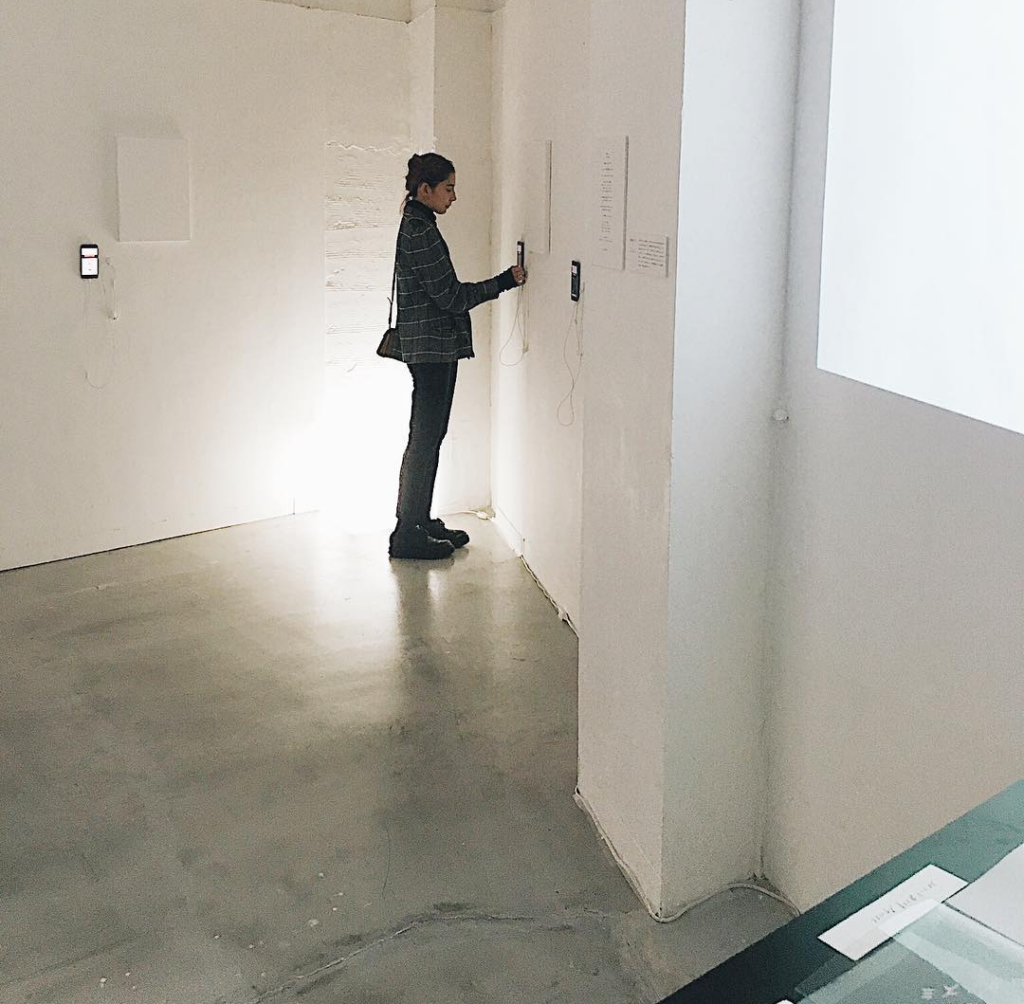
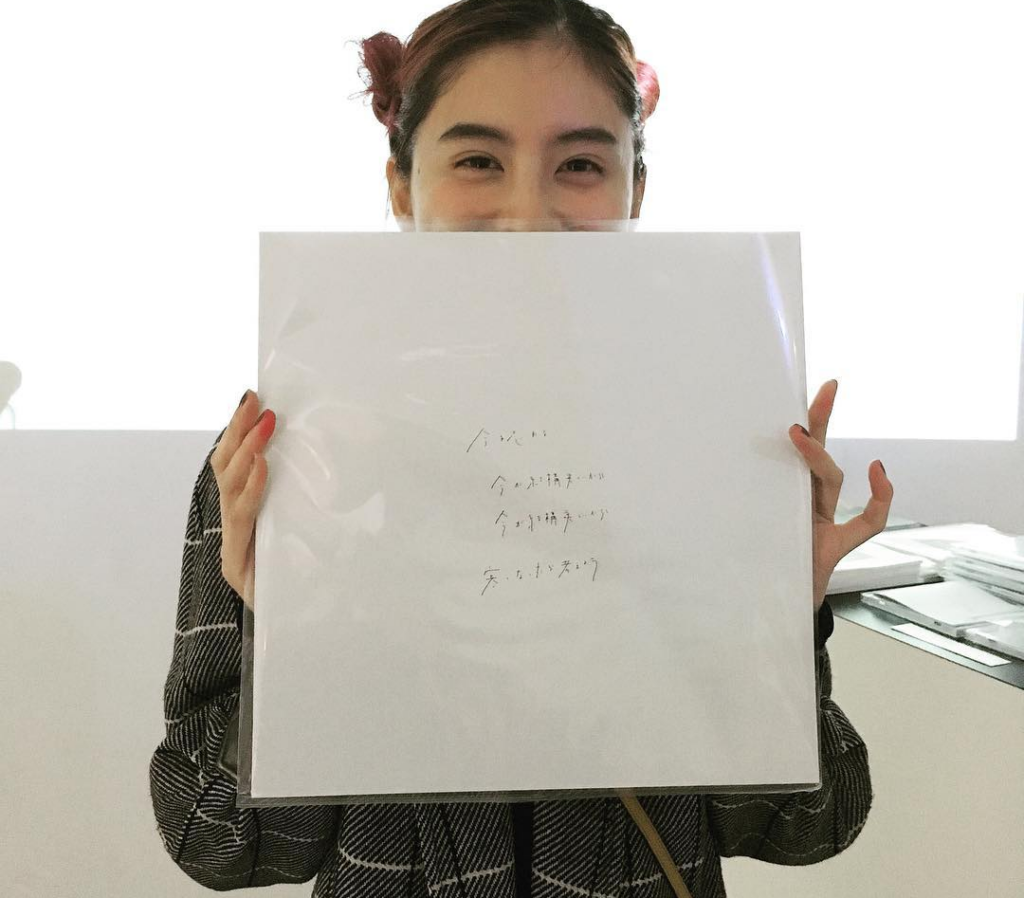
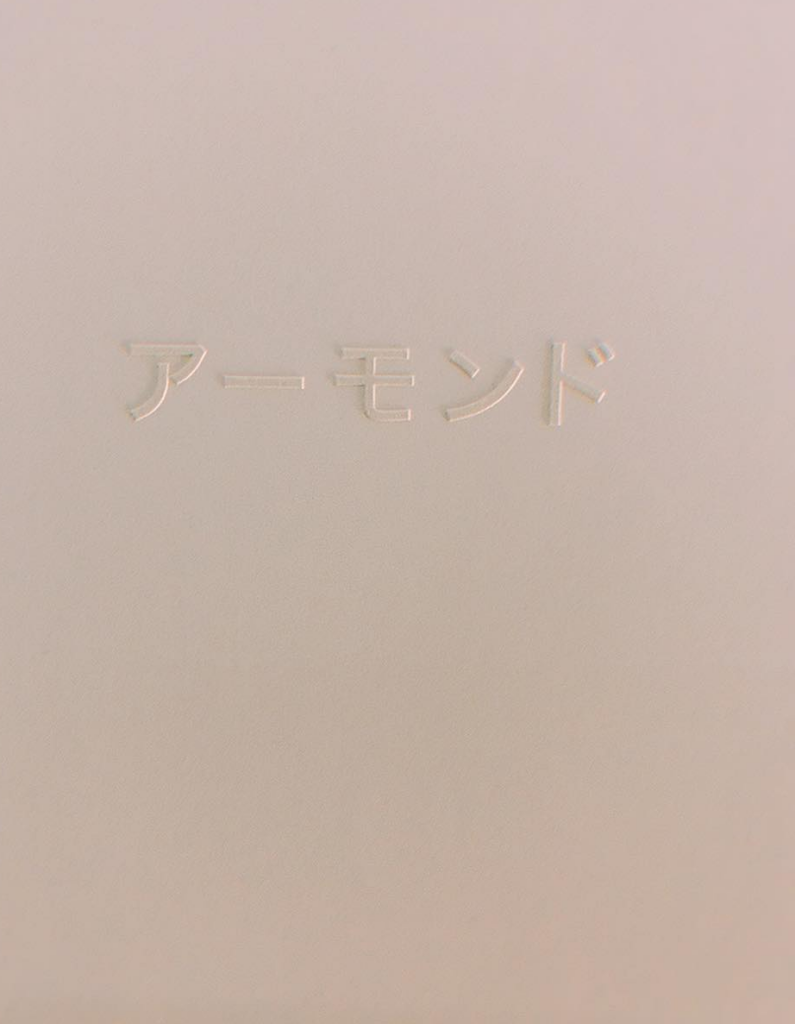
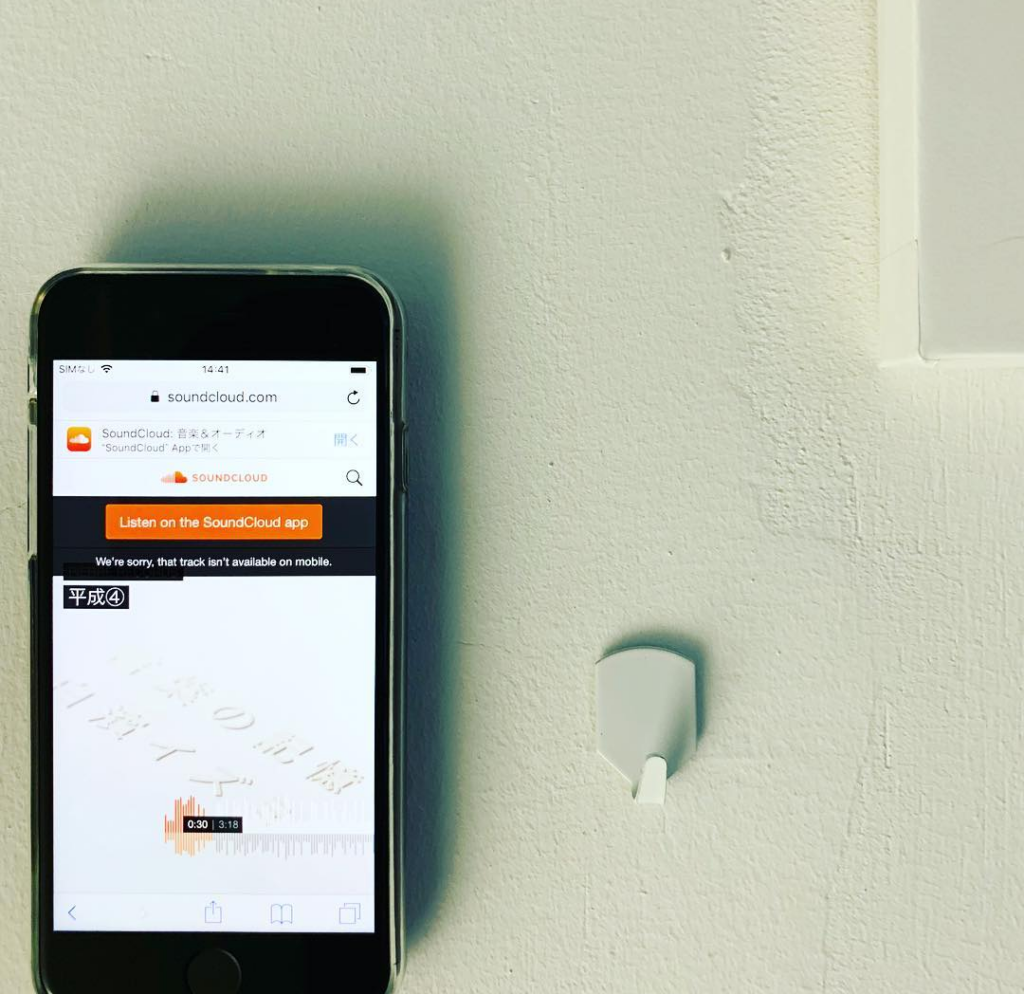
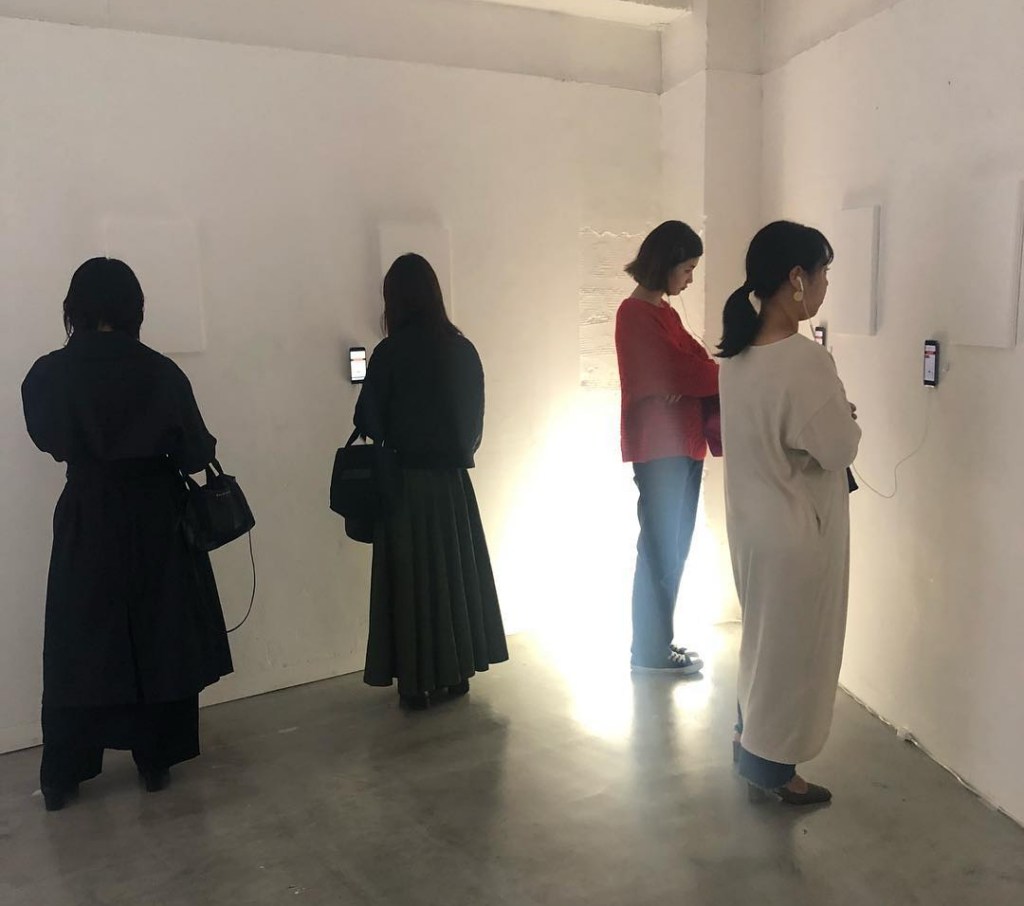
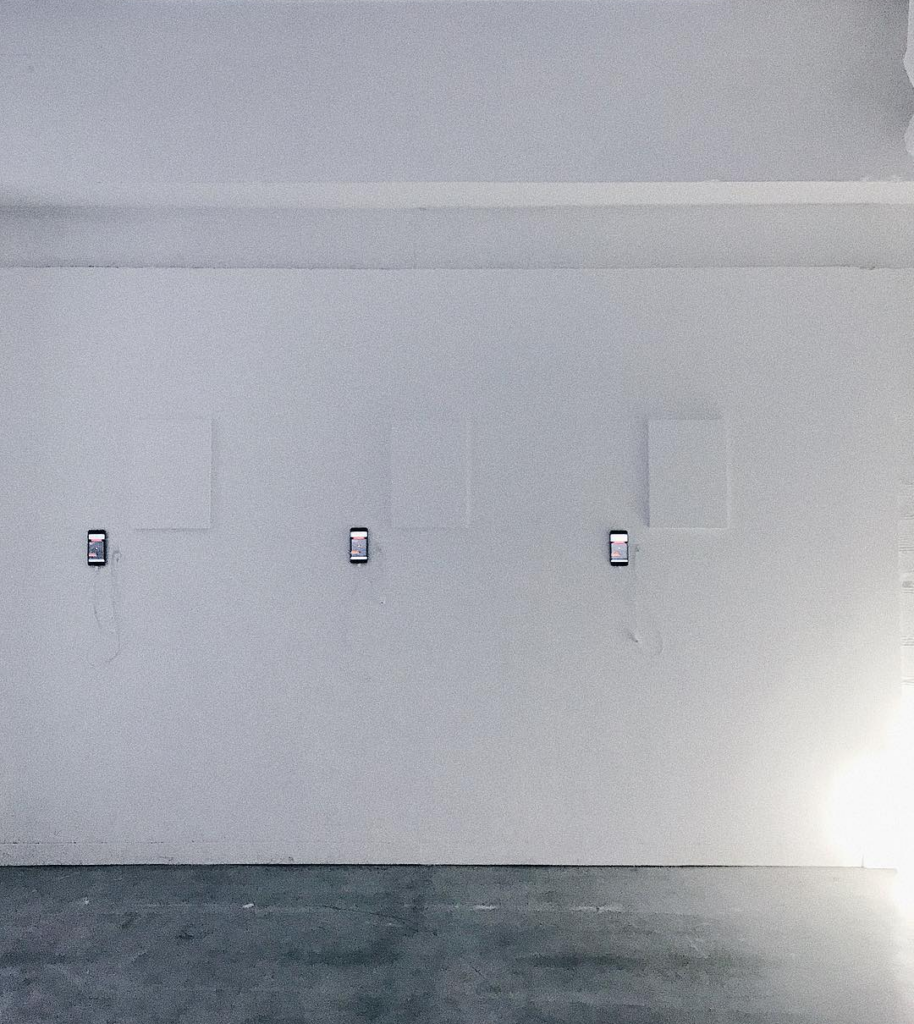
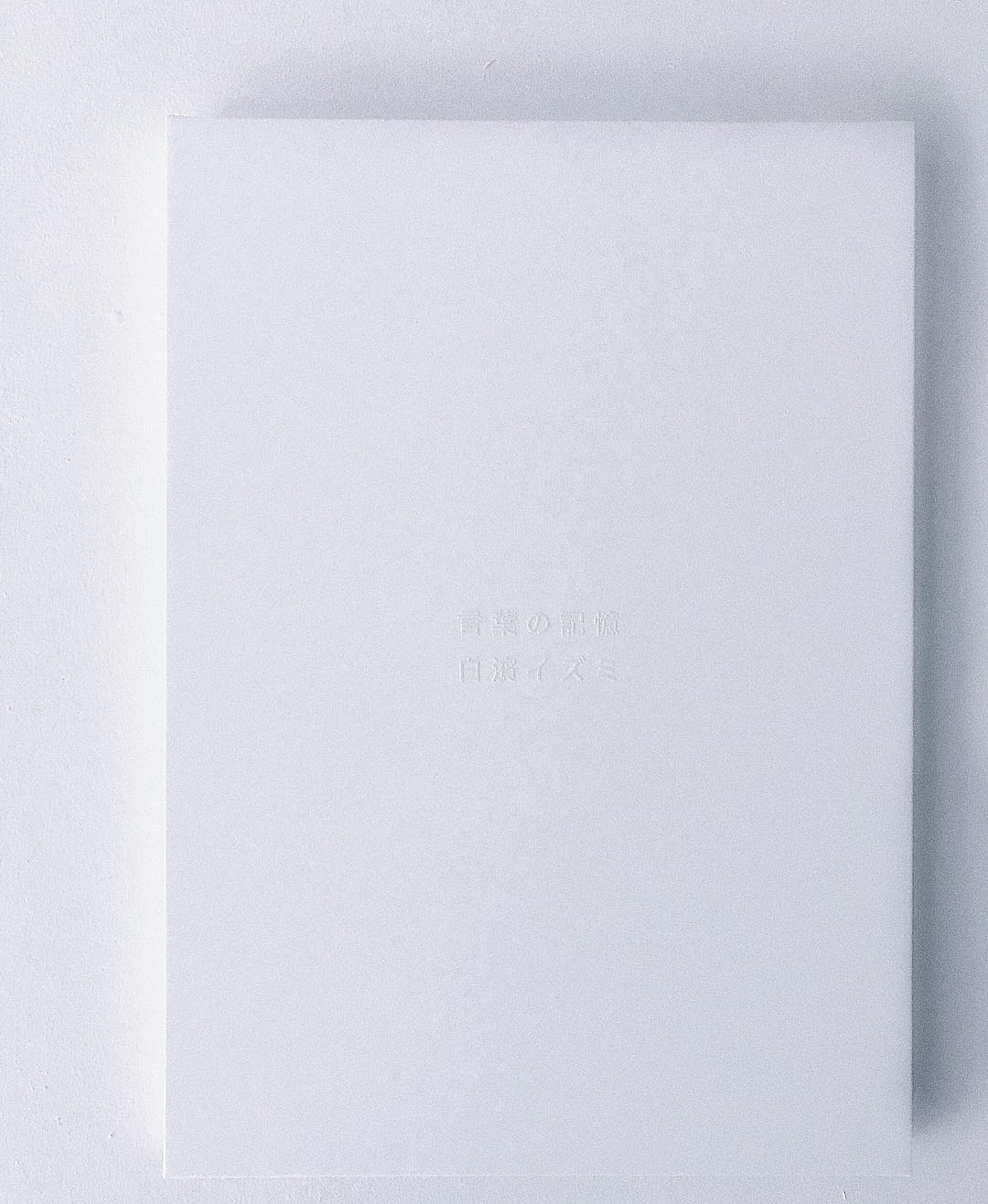
Held in 2018 at a gallery in Aoyama, Tokyo, the exhibition invited visitors to listen to Shirahama’s own voice through an iPhone and headphones while moving through the exhibition space. Her poems were therefore not simply displayed as literary texts; they unfolded over time, entering the listener as sound. The exhibition was conceived as a multisensory experience, incorporating not only listening and viewing but also other forms of sensory engagement. A limited-edition publication accompanying the exhibition consisted of five poems, photobook, and a CD.
This shift from reading to listening places Memory of Words within a broader history of intermedia practices in which the boundaries between literature, visual art, sound, and performance are deliberately destabilized. Since the mid-twentieth century, artists working across sound, poetry, performance, and installation have increasingly treated the artwork not as a fixed object, but as an event activated through time, space, and the presence of the viewer.
Shirahama’s approach is distinctive in the way it combines this history of experimental language practices with the intimate technology of the smartphone. The iPhone functions not simply as a playback device, but as a private interface between the artist’s voice and the listener. Within a shared gallery environment, each visitor is simultaneously placed inside an intensely personal auditory space.
The headphone therefore creates a productive tension between the public and the private. The gallery is a collective space, yet the experience of the work becomes individual and internal. The voice reaches the listener directly, bypassing the distance normally created by a written text or a conventional exhibition display.
In this context, language is no longer treated simply as a carrier of meaning. Voice introduces rhythm, breath, pauses, intonation, and vulnerability. The same words can acquire entirely different meanings depending on how they are spoken, heard, and remembered. Shirahama later described her approach to language in terms of “reading with the ears,” a formulation that clarifies the central premise already present in Memory of Words.
The title itself is significant. Memory is not a fixed archive of the past, but something continuously reconstructed through the present. A voice can trigger a memory, but it can also become a memory in itself. Once heard, the artist’s words leave the physical exhibition space and continue to exist within the listener.
The accompanying CD and photographic publication extended this idea beyond the gallery. Rather than functioning merely as documentation, the publication allowed the work to circulate through another medium and to be experienced in a private setting. The exhibition could therefore be understood not as a singular spatial event, but as a work capable of moving between gallery, recording, image, voice, and personal memory.
Seen from an international contemporary-art perspective, Memory of Words can thus be situated at the intersection of poetry, sound art, performance, and digital mediation. Its significance lies less in the presentation of poetry itself than in its attempt to reconsider how language is received, where an artwork takes place, and what remains after the encounter has ended.
In Memory of Words, language is not simply exhibited.
It becomes sound, enters the body, and is ultimately transformed into the memory of the listener.